


Who it's for
Sound familiar?
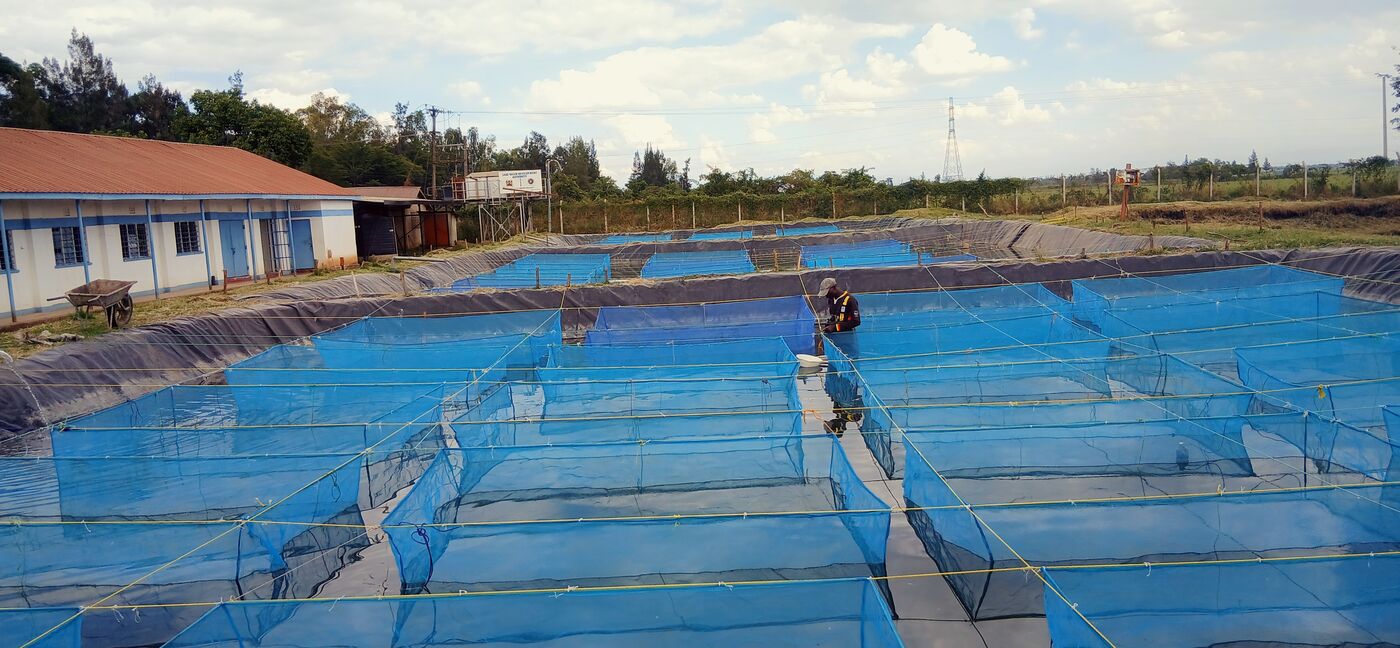
- Cage farms on Winam Gulf and the wider lake that have lost fish overnight without warning
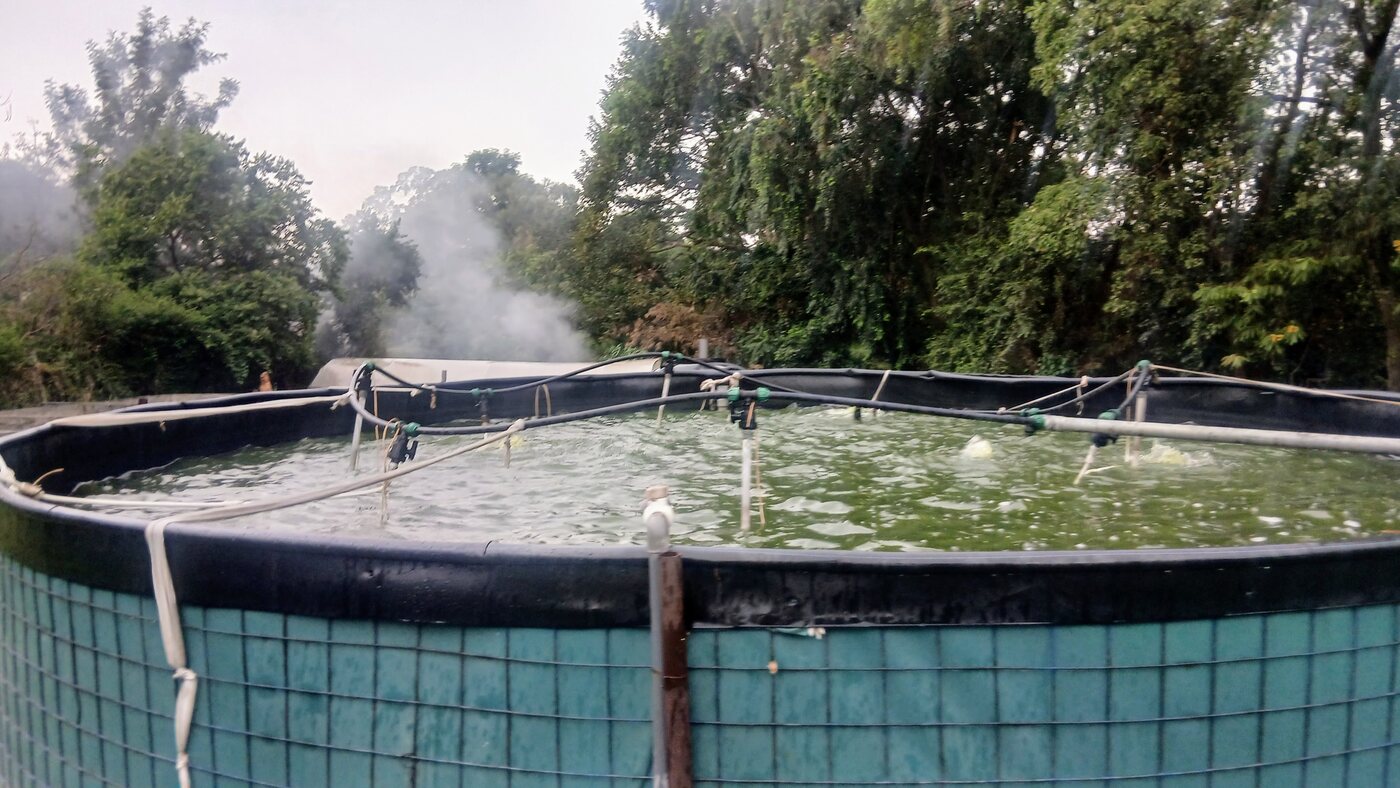
- Pond and hatchery operations where pumps and aeration must never quietly stop
- Farms planning to add cages or raise stocking density and wanting data before they do
What you get
What we build and deliver
Continuous readings
Dissolved oxygen, temperature and turbidity logged every 15 to 30 minutes, at the depth your fish actually sit.
Alerts that still work offline
A local alarm at the cage as the first line, plus SMS or app notifications when the network is up.
Built for the lakeside
Solar power sized for cloudy weeks, data buffered through mobile coverage gaps, enclosures made to last outdoors.
A plan for fouling
Probes in lake water foul within days. We plan cleaning and calibration in from the start so readings stay honest.
How it works
From first message to handover
- 1
Tell us about your site
A short description of where you are, what you already have and the problem you want solved. No fixed package to pick from.
- 2
Site visit or remote scoping
We look at stocking density, cage depth and layout, power and signal at your site, and what you already measure.
- 3
Install and hand over
A deployment is done when the person on site knows what normal looks like and what to check first if something changes.
From the blog
Read more on this
- Why Cage Fish Die Overnight in Winam Gulf, and What Farmers Can Do Before the Next EventOvernight fish kills on Lake Victoria cage farms are usually an oxygen problem, not a disease outbreak. Here's what causes upwelling events in Winam Gulf and how to catch one before it costs you a harvest.
- Dissolved Oxygen, Temperature and Turbidity: What to Measure on a Kenyan Cage FarmA lot of farmers on Lake Victoria already own a handheld DO meter and still lost fish. Here's why one sensor, checked once a day, isn't enough, and what a proper monitoring setup actually looks like.
- How Satellite Data and In-Lake Sensors Work Together for Aquaculture MonitoringSatellite imagery sees the whole lake but only once every few days. In-situ sensors see one cage in real time. Neither replaces the other, and the combination is what actually protects a farm.
- Offline-First IoT: What Still Works When 4G DropsCellular coverage around Lake Victoria isn't always continuous. An IoT system designed assuming constant connectivity fails the moment it isn't. Here's what offline-first design actually means.
- Solar and Battery Sizing for a Lakeside Sensor NodeUndersized solar and battery capacity is one of the most common reasons a field sensor node goes dark exactly when it's needed most, during extended cloud cover. Here's how to size it properly.
Talk to us about your farm
Tell us where your cages or ponds are and what you measure today. We will tell you plainly what monitoring would add.
Other services