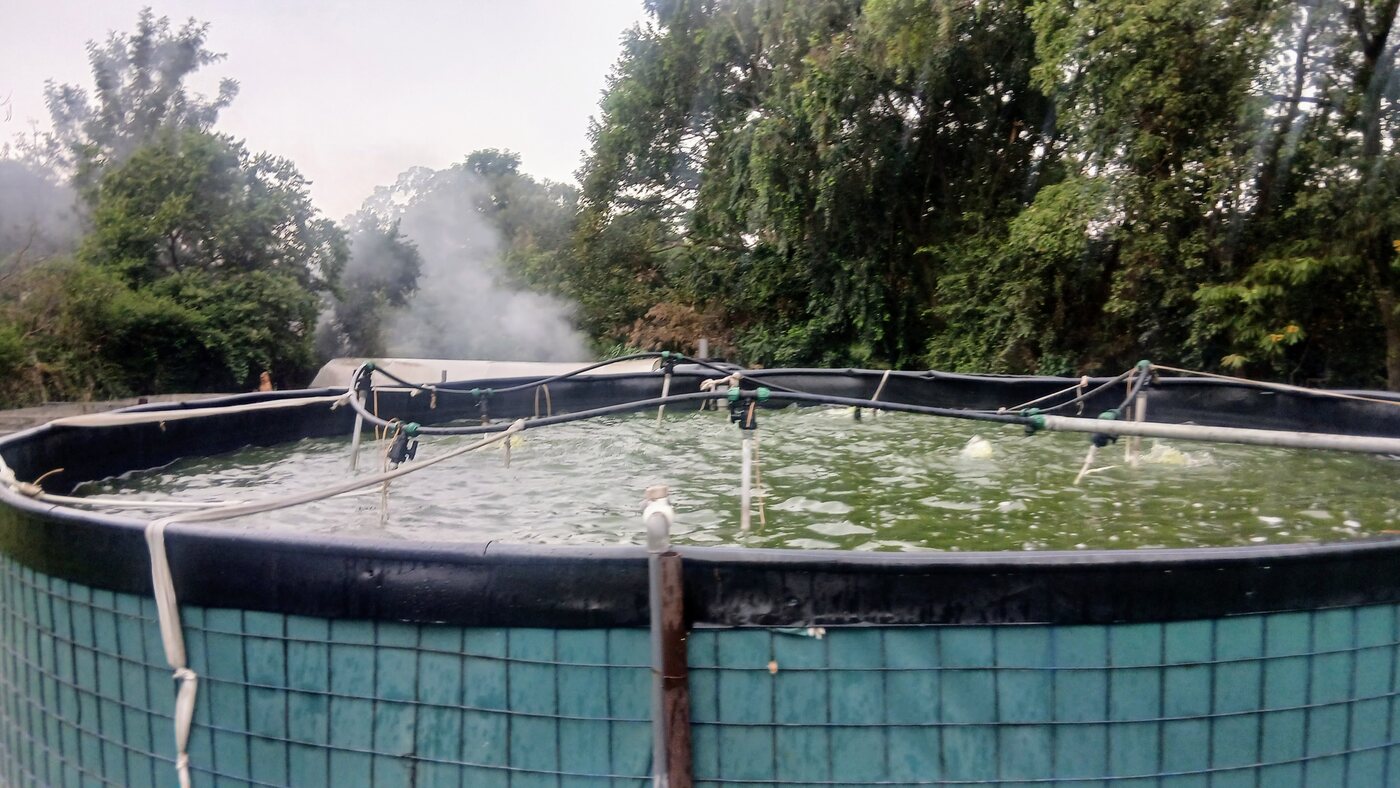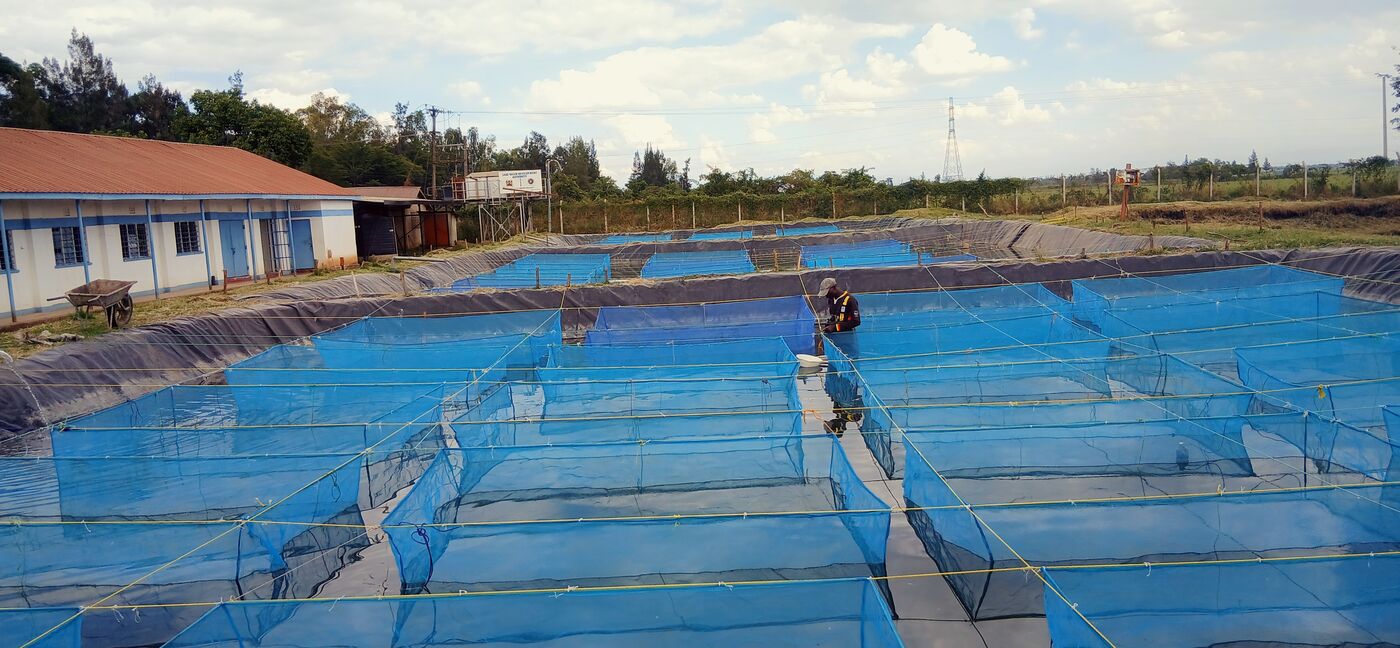



On 5 December 2025, our team had the opportunity to visit AquaRech LTD and see how the company is using Internet of Things (IoT) technology to automate processes across its farm. It is an impressive site, with a wide spread of ponds and a set of technologies that show what a modern fish farm in Kenya can look like.
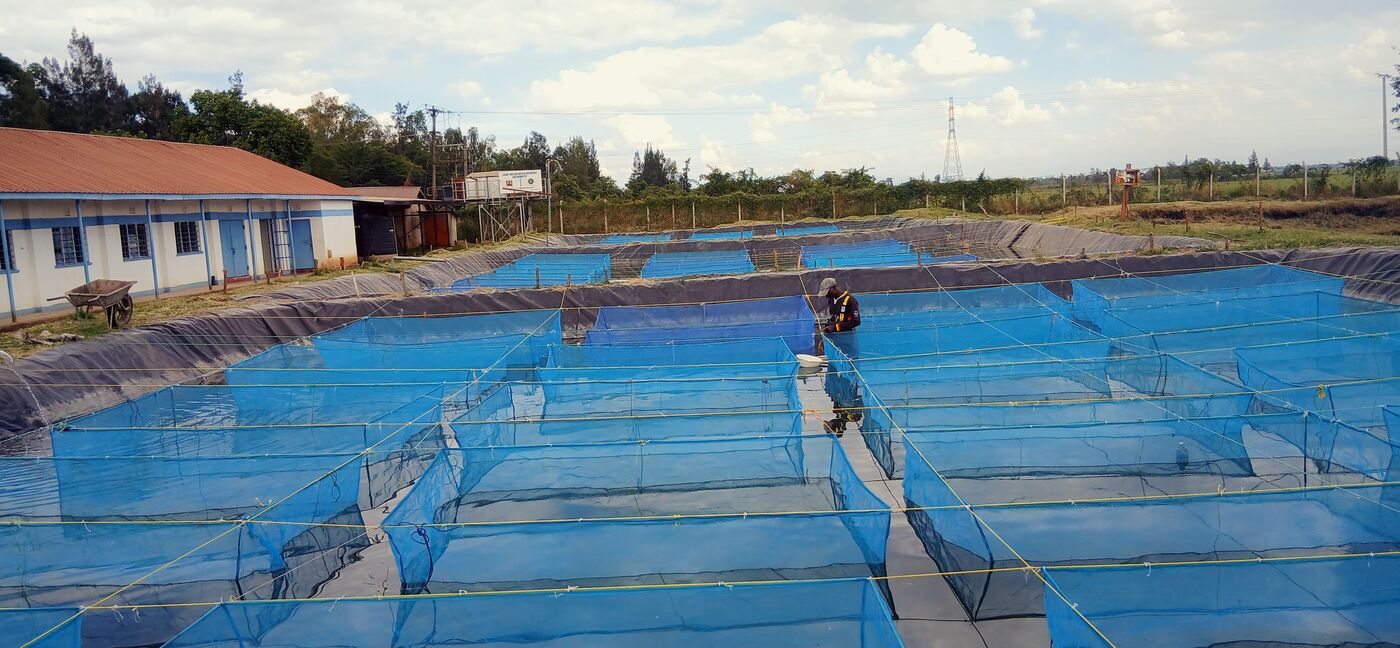
A farm built at scale
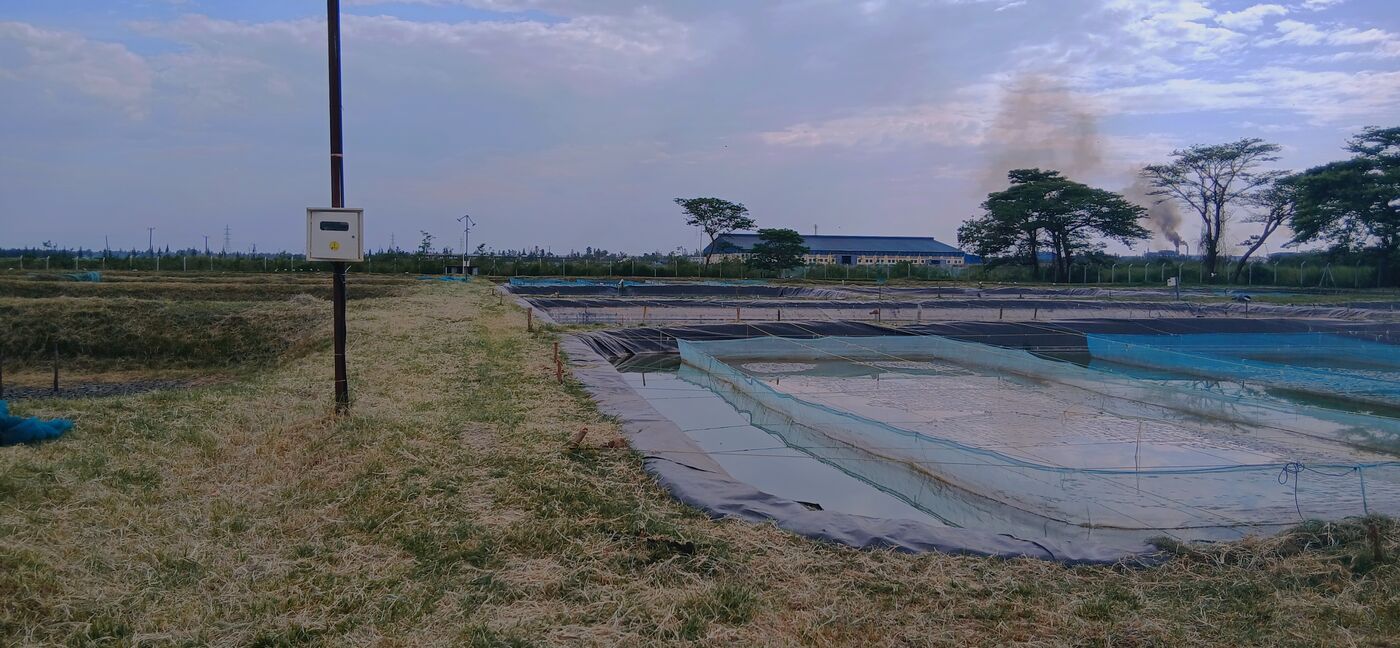
The first thing that stands out is the size of the operation. Lined ponds run across the site, many of them divided into grids of hapa nets, so fish at different stages can be held, sorted, and managed separately within the same body of water.
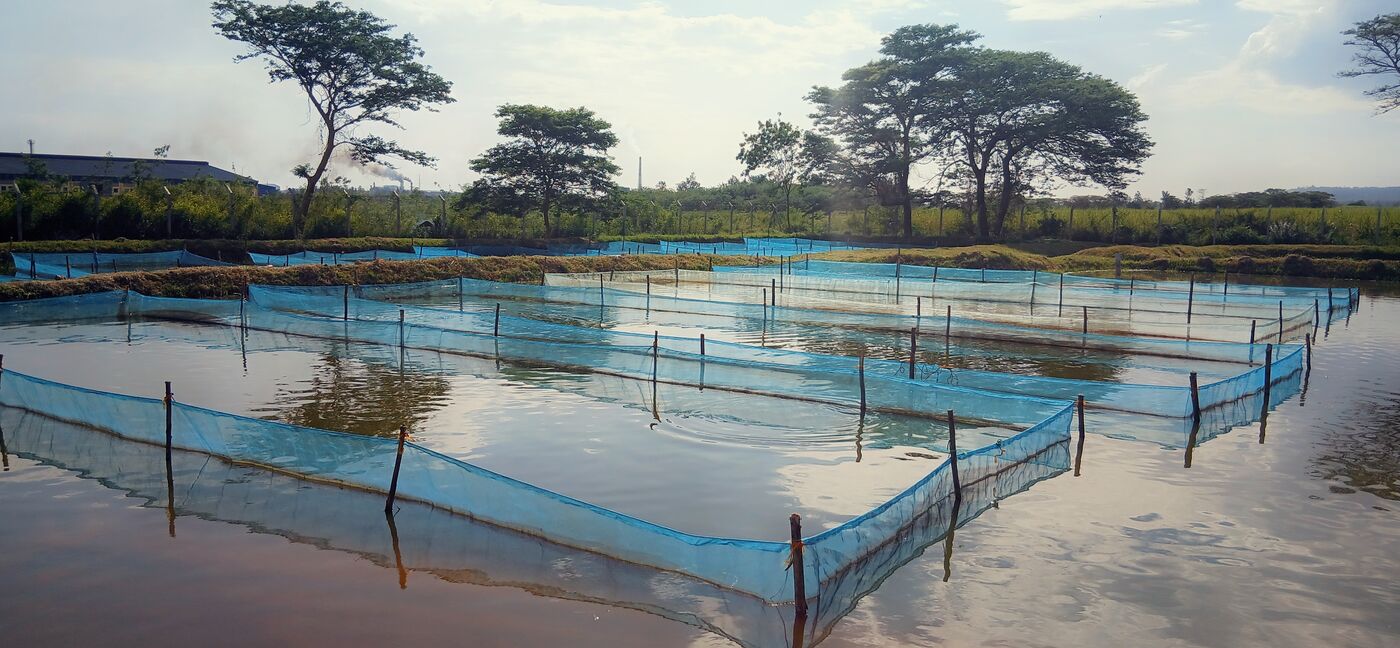
Running a farm like this by hand means a lot of walking, checking, and recording. That is exactly the kind of work where sensors and automation earn their place: they keep watching when nobody is standing at the pond edge.
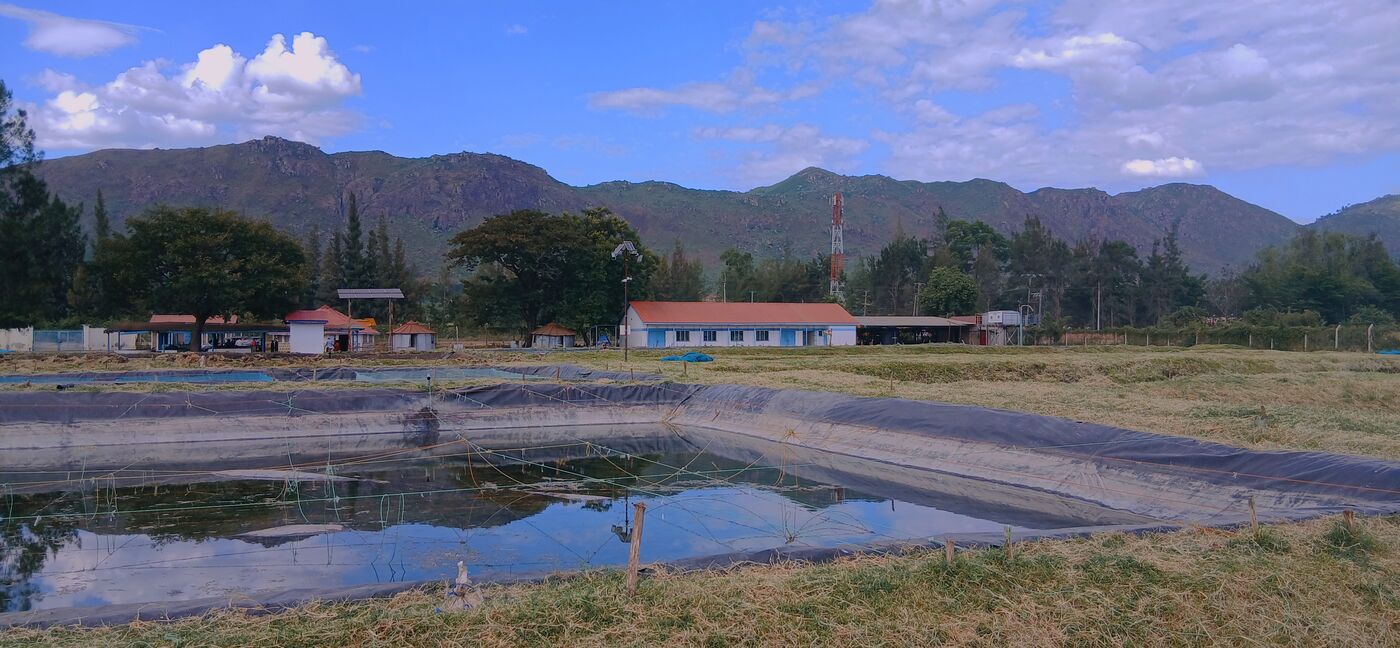
Inside the hatchery
Inside the greenhouse, we walked through the hatchery and water-handling side of the farm. This is where conditions have to be controlled most tightly, and where small problems turn into big losses fastest.
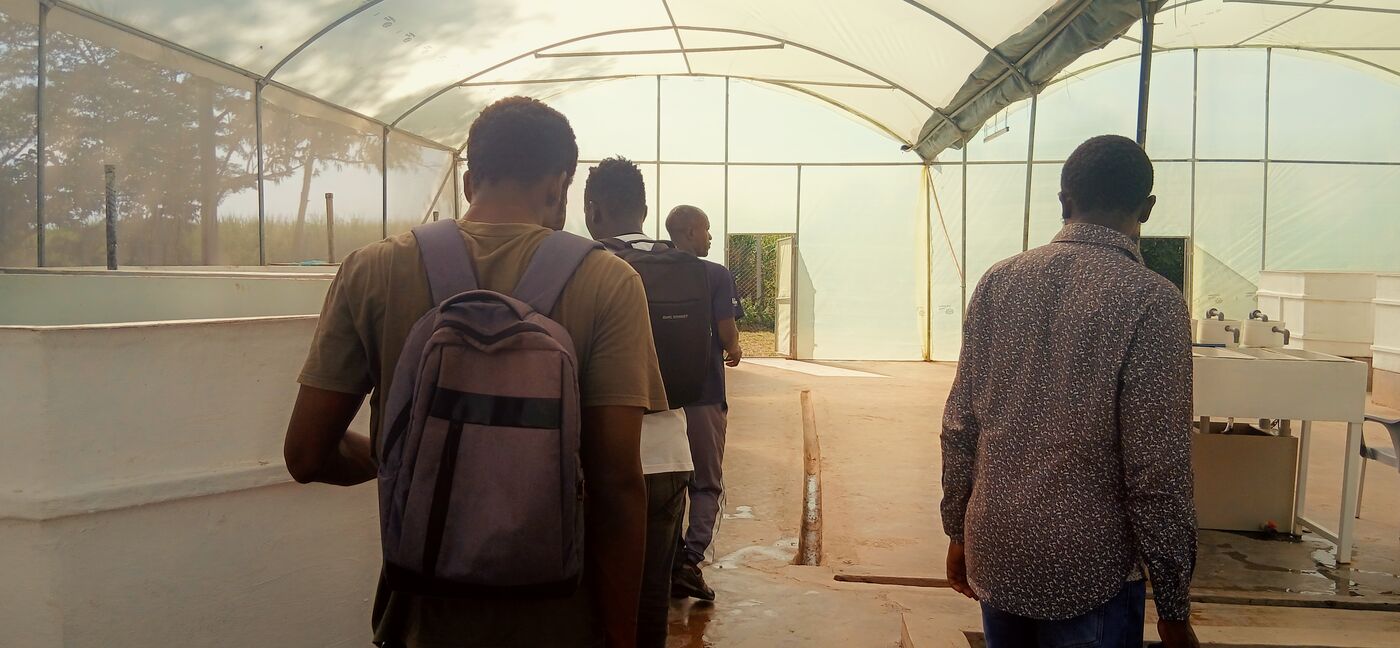
A row of hatching jars, each with its own valve, sits on a purpose-built stand fed by a shared water line. Beside it, pumps, a sand filter, and a pressure tank keep water moving and clean through the system.
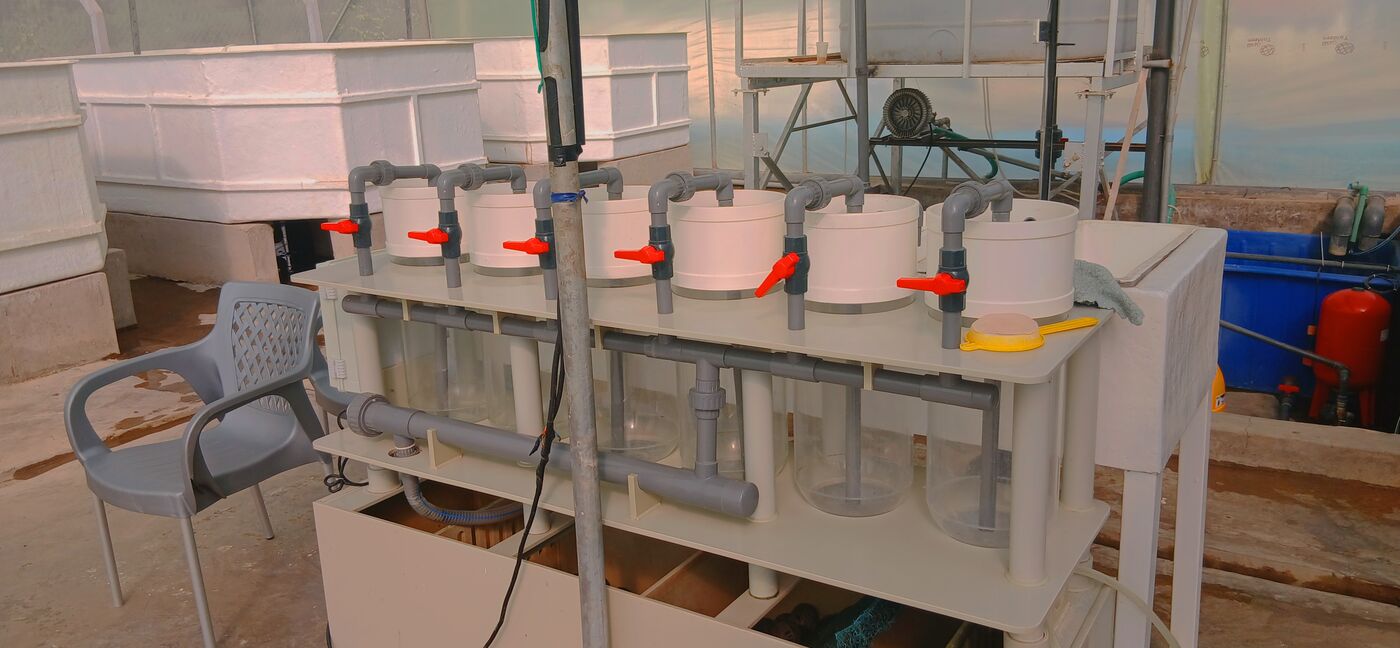
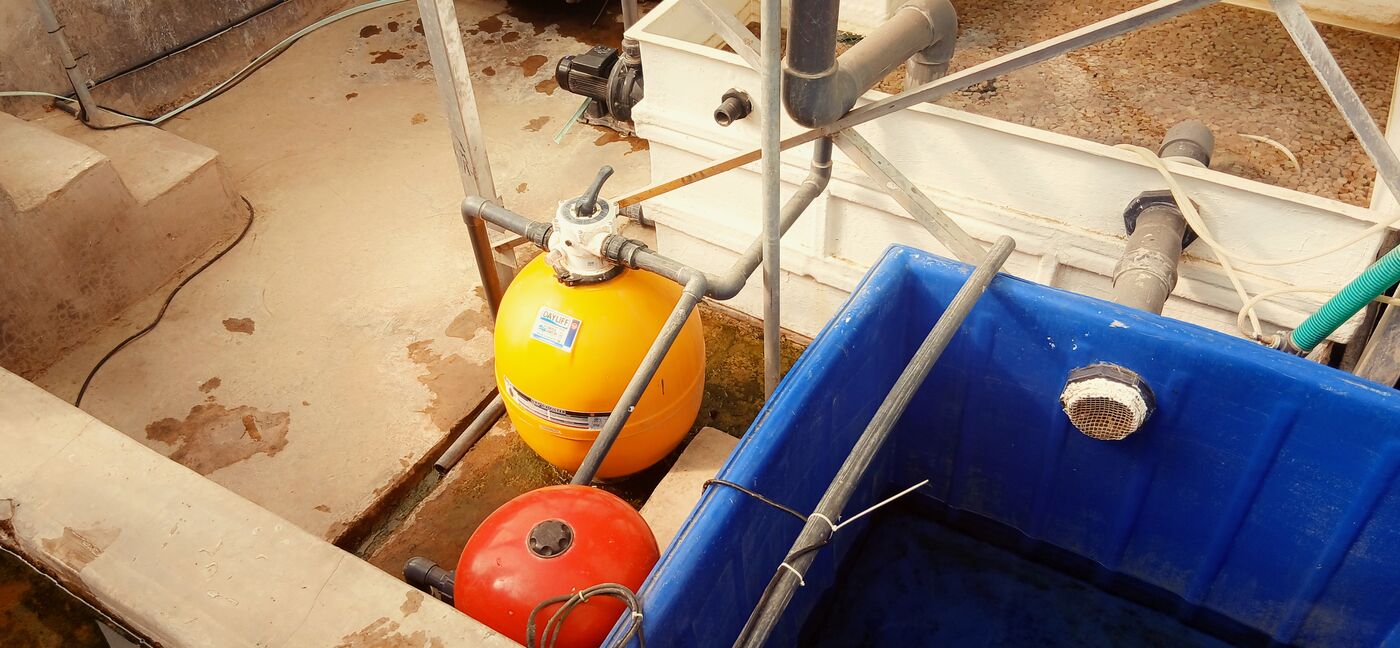
Recirculating water like this depends on pumps and aeration running without interruption, which is why monitoring matters so much here. If you want the basics of which readings count most, our post on dissolved oxygen, temperature and turbidity monitoring covers them.
What we learned
The visit was immensely educational. Seeing IoT working day to day on a real farm, rather than in a demo, is the best way to understand what actually holds up: which processes are worth automating, how the equipment is laid out and maintained, and how the people running the farm use the information it produces.
We also talked about AquaRech's strategies and about collaboration opportunities that could strengthen our own work on technology for fish farming, from water-quality monitoring to automated feeding. It builds on conversations we have been having with others in the sector, including our recent visit to Maseno University's biofloc research site.
Thank you
Our thanks go to Priscillah Aketch for facilitating the invitation, and to the outstanding AquaRech team, who guided us around the farm and made sure we could make the most of every opportunity to learn.
If you run ponds, cages, or a hatchery and want to explore monitoring or automation for your own farm, get in touch. You can also see how our water-quality monitoring works.