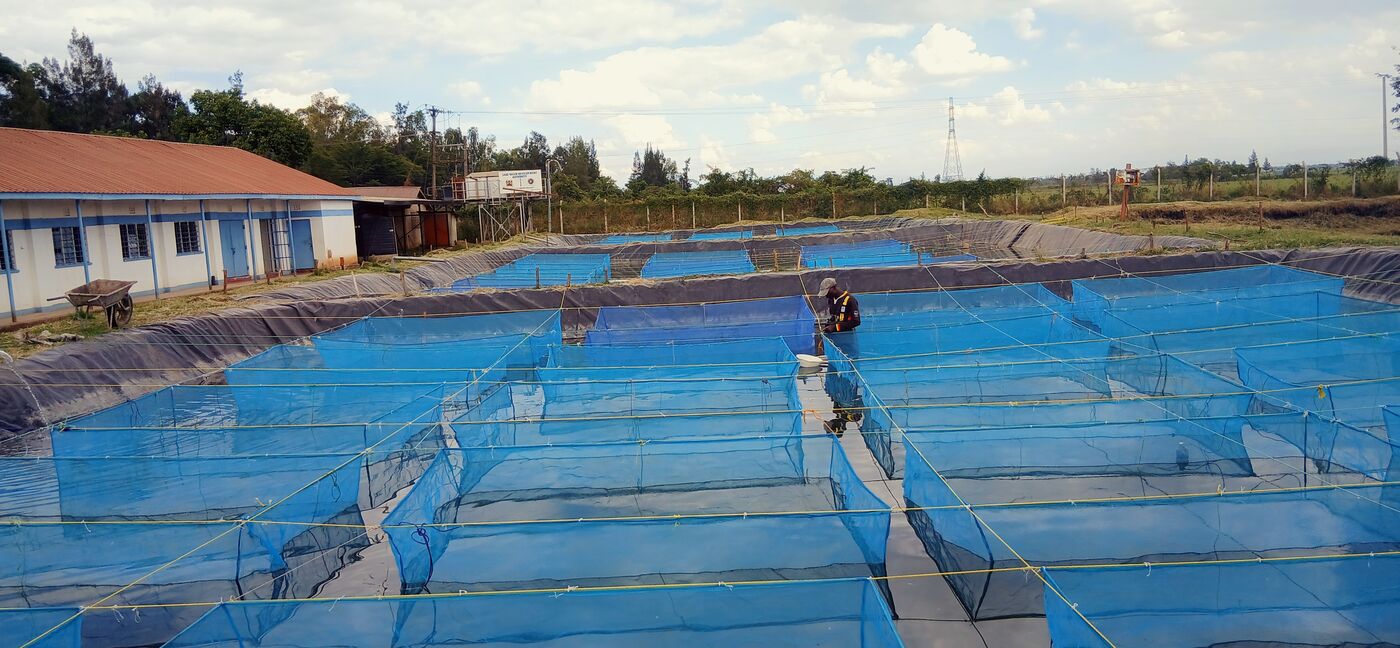


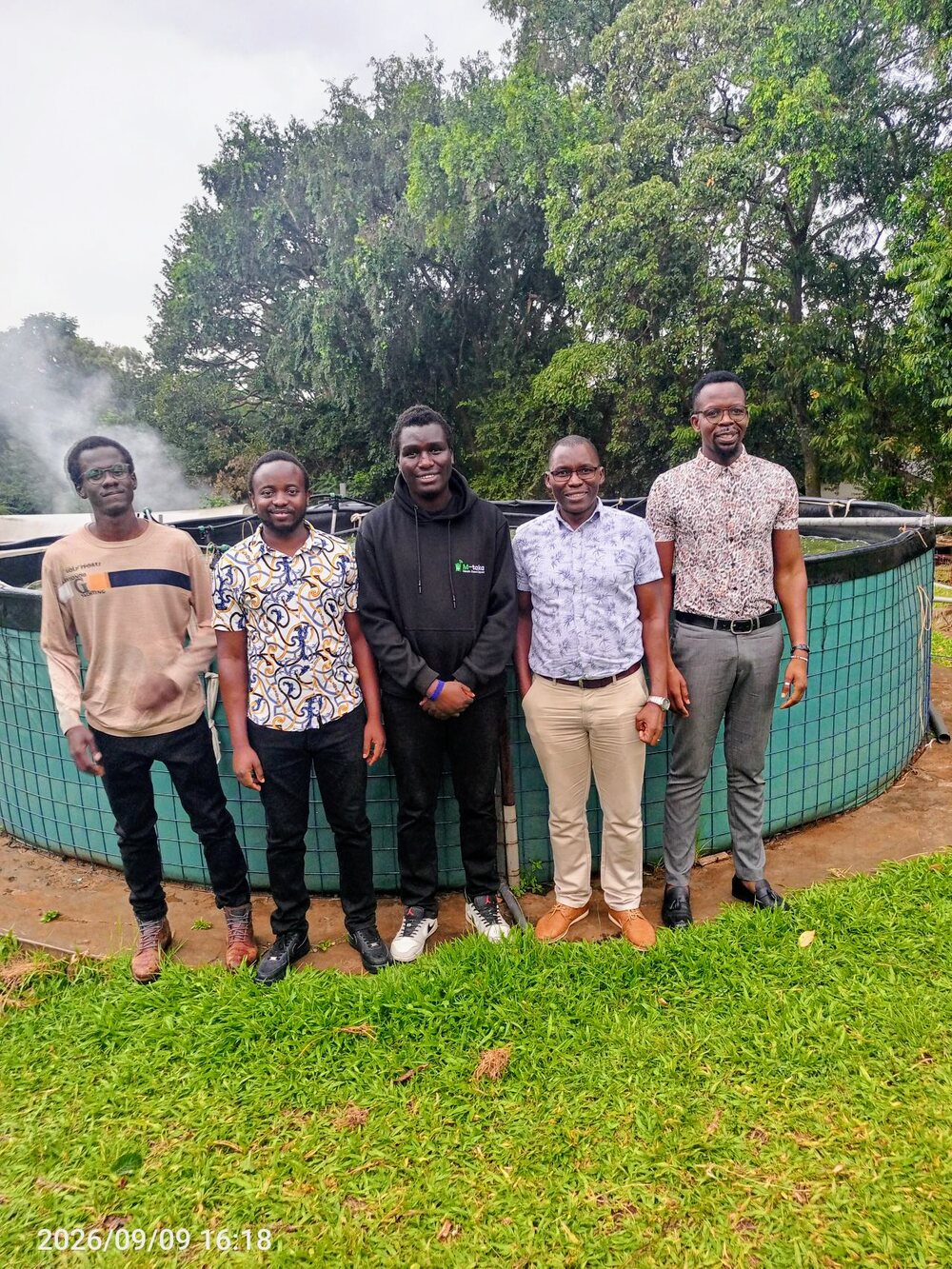
On Wednesday 9 September 2026, our team visited the Department of Animal and Fisheries Sciences at Maseno University for a practical engagement around the biofloc aquaculture system there, and around how emerging technologies can transform aquaculture production.
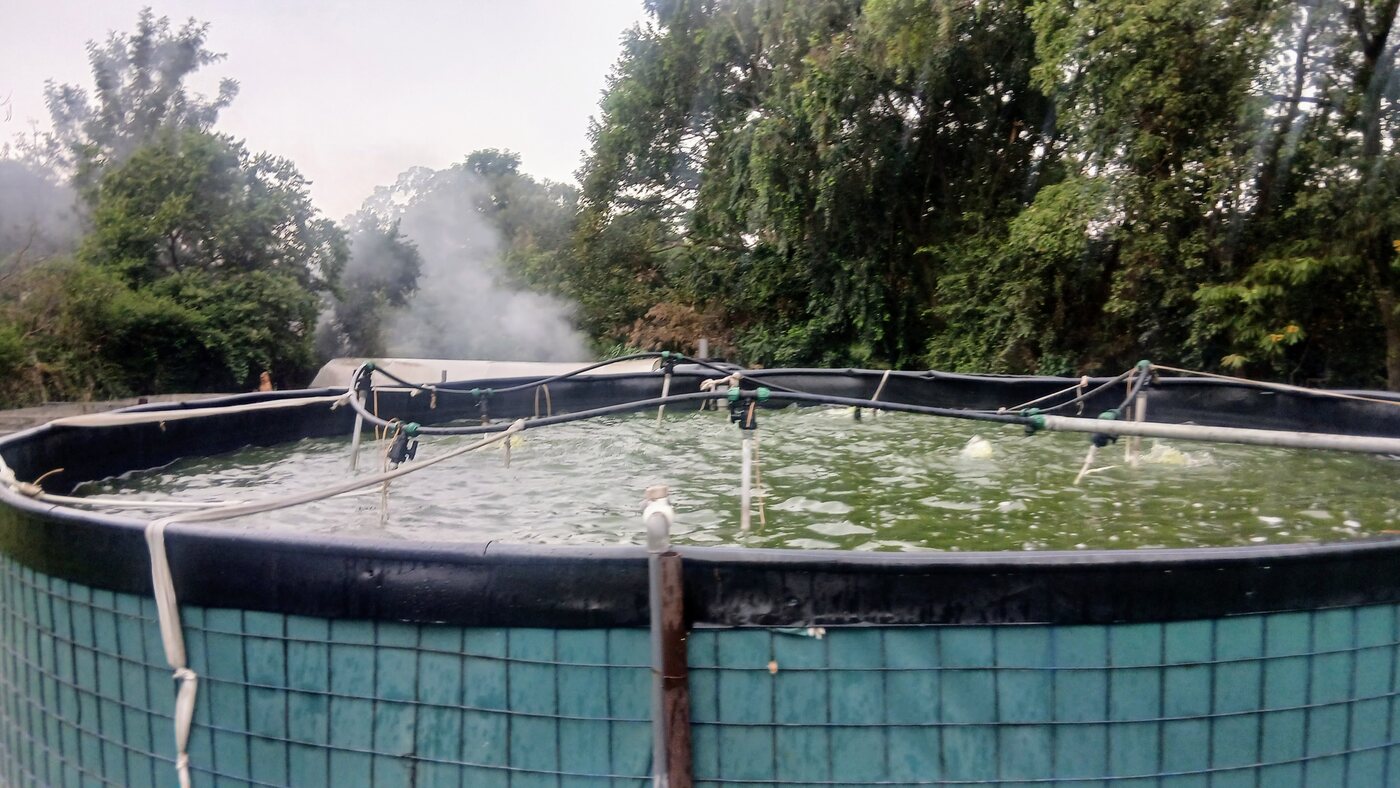
Why biofloc is a good place to start
Biofloc systems rely on constant aeration and a healthy community of microbes in the water, so water quality can shift quickly. Dissolved oxygen, temperature, and other readings that are easy to miss between manual checks matter a great deal in a system like this, which makes it a natural place to test sensors and automation.
If you want the basics of what to measure and why, our post on dissolved oxygen, temperature and turbidity monitoring covers it.
What we explored
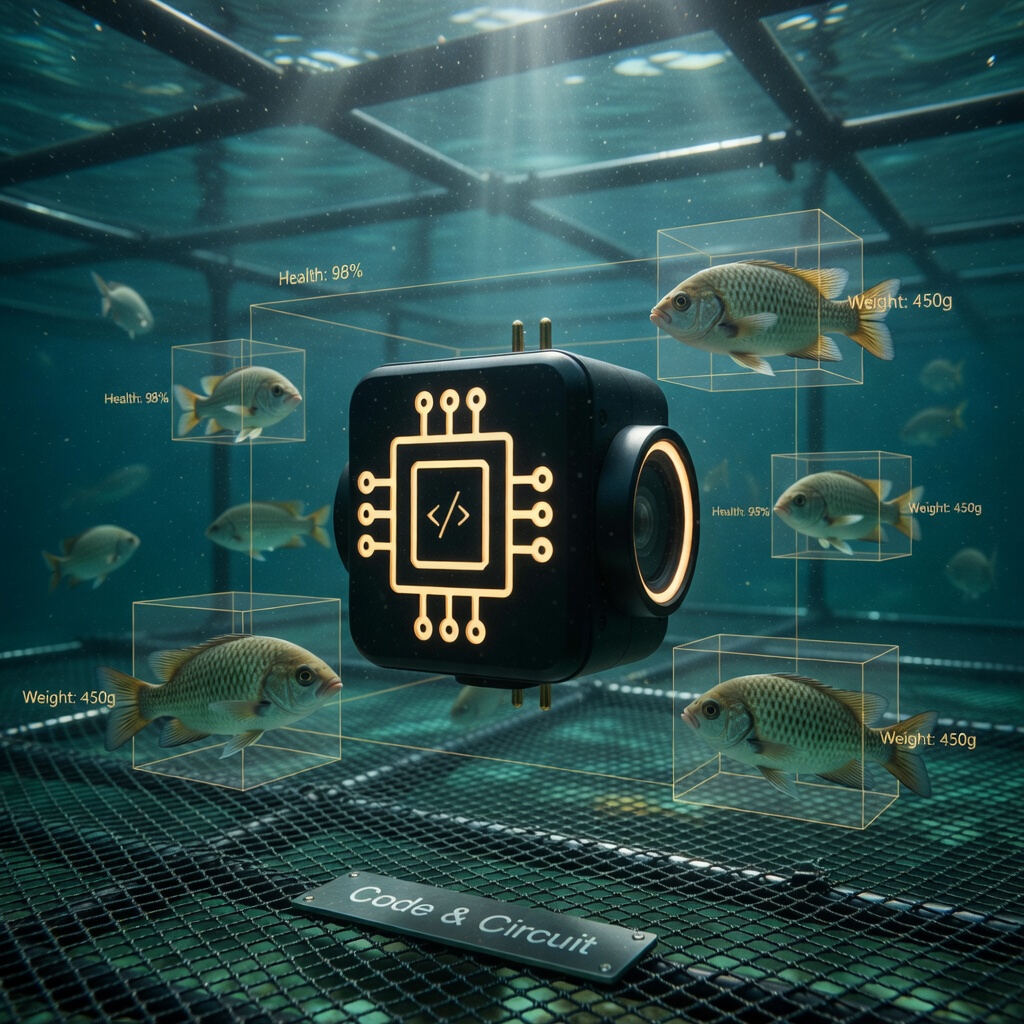
We looked at opportunities to bring together:
- Sensors for the water-quality parameters that matter most
- Real-time data acquisition, so readings are captured continuously instead of at check times
- Automation, so the system can respond without waiting for someone to be on site
- Remote monitoring, so the people responsible can see what is happening from anywhere
The aim is better water-quality management, higher production efficiency, and decisions driven by data rather than by guesswork.
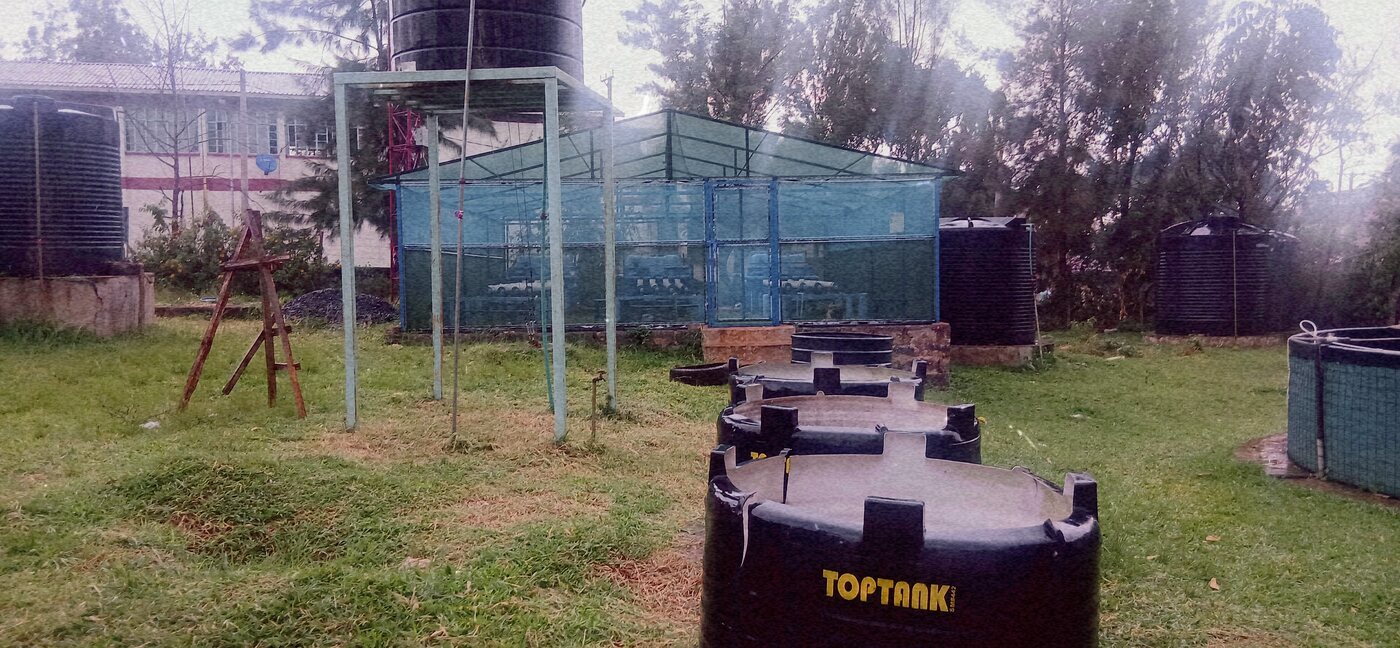
From research to real impact
A large part of the conversation was about how research can move beyond publications and laboratories to become practical technologies that solve real problems and create measurable impact in communities. University research groups hold the scientific depth; building something that keeps working in the field is where our team's experience with hardware, connectivity, and power comes in.
Next steps
Thanks to Erick Ogello (PhD), the Department reaffirmed its readiness to provide the scientific and technical support needed as we explore potential collaborations with Code & Circuit Technologies. These are early conversations, and we are glad to be having them with a department with this depth of aquaculture expertise close to home.
If you are working on aquaculture, whether research, production, or both, and want to explore monitoring and automation, get in touch. You can also see how our water-quality monitoring works.