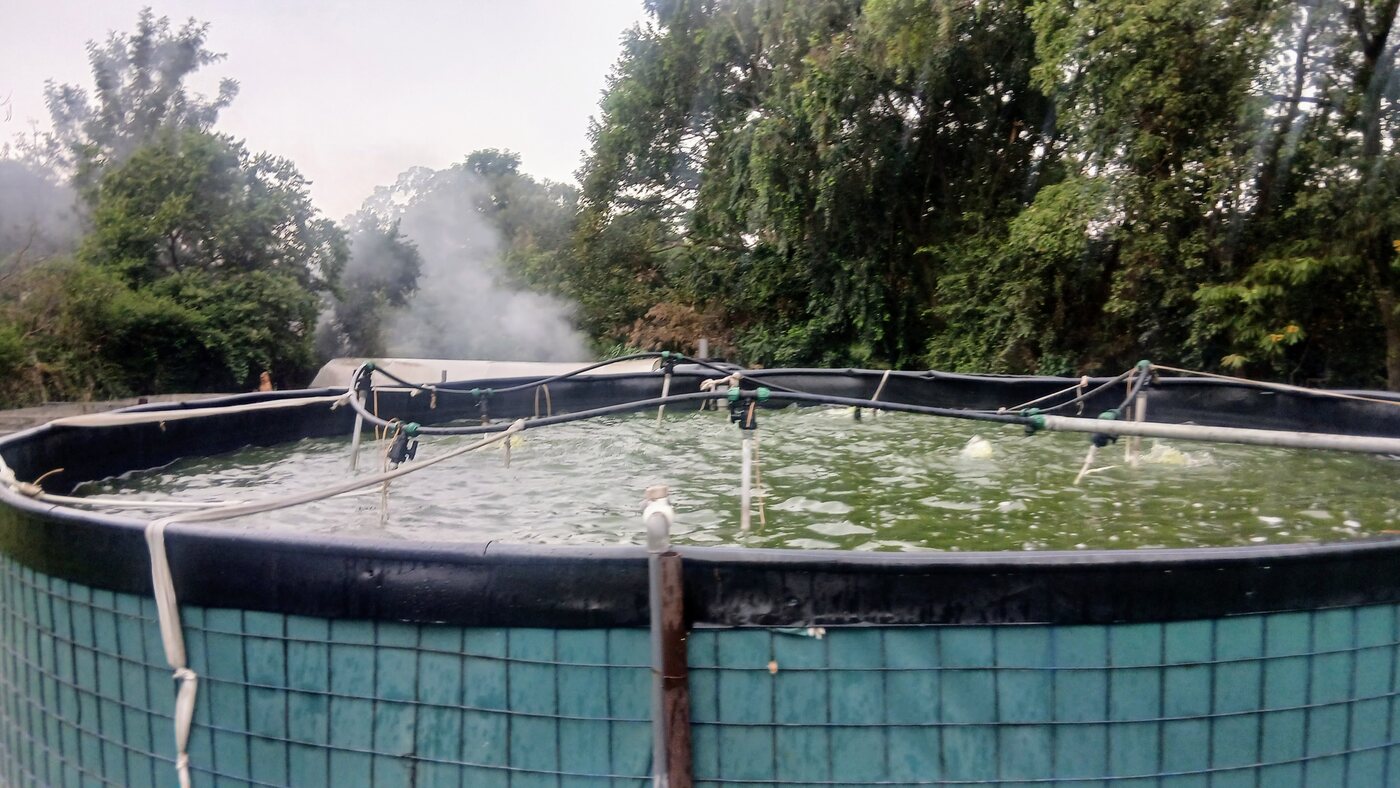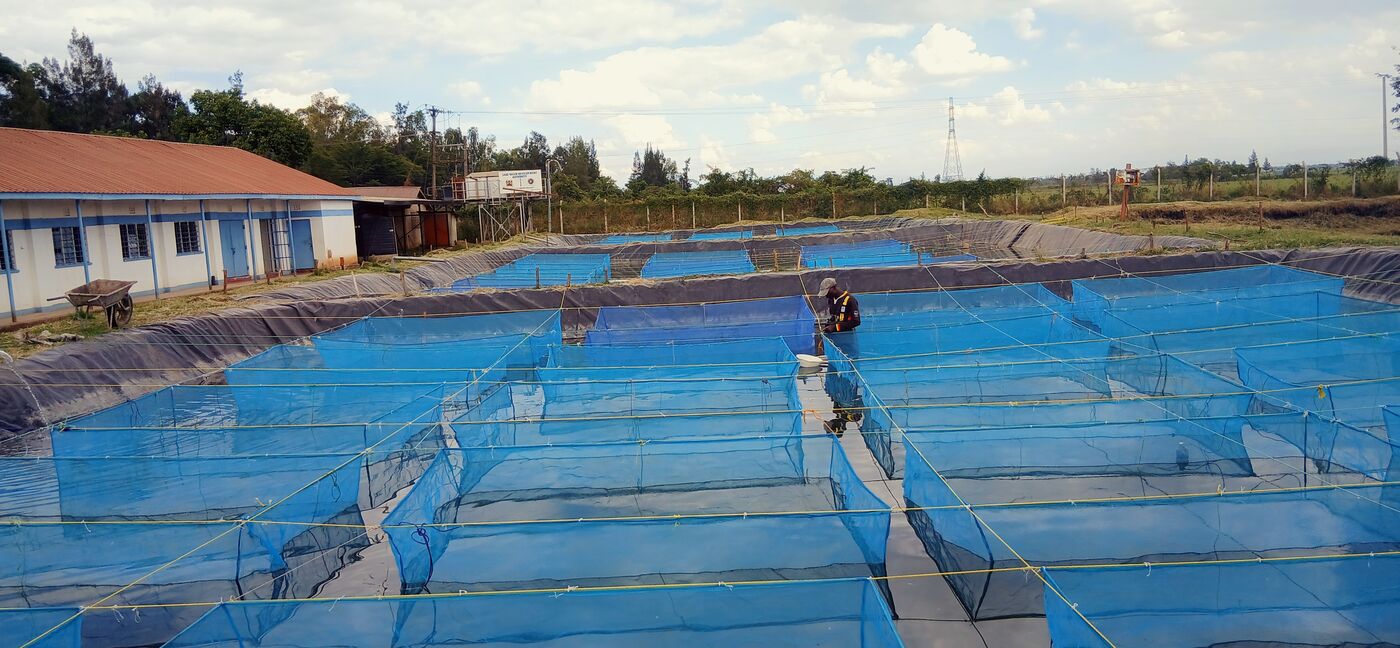




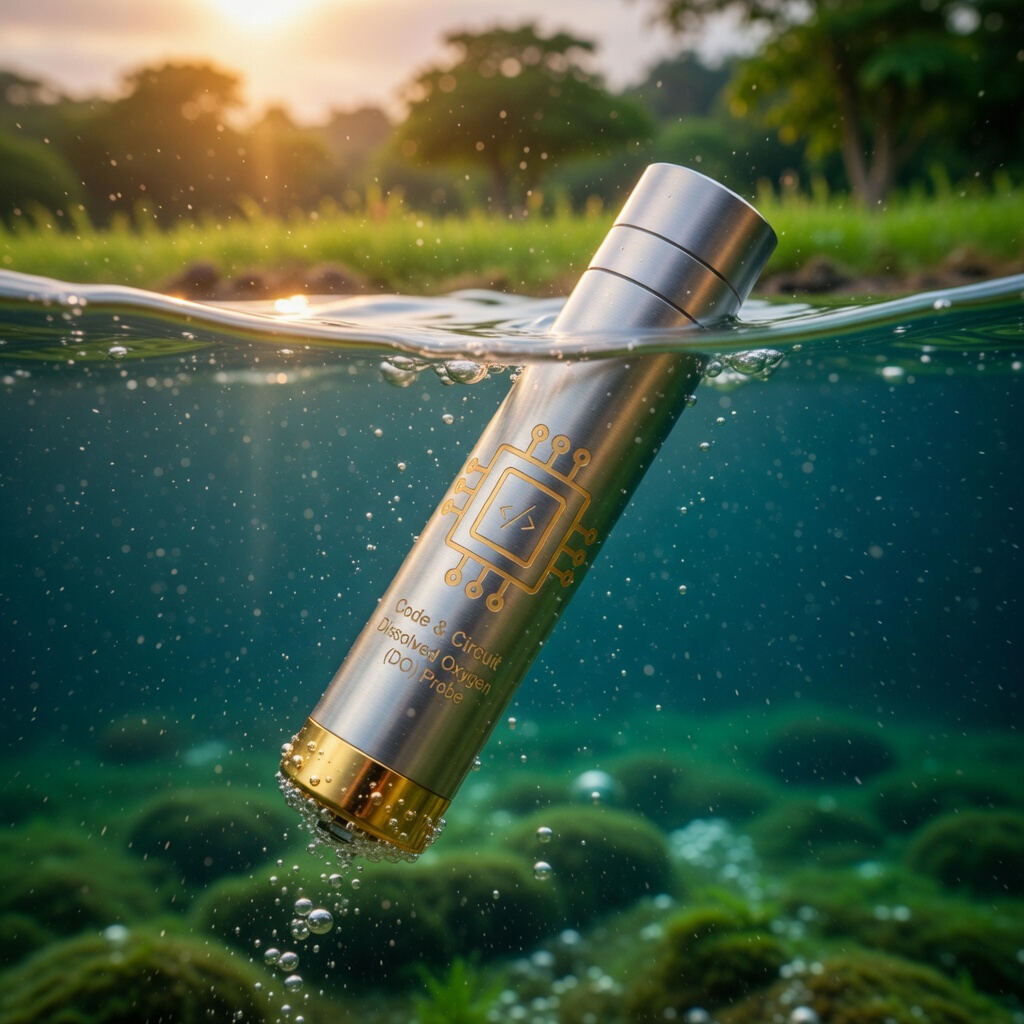
If you farm tilapia or Nile perch in cages on Winam Gulf, you have probably heard of, or lived through, a night where healthy fish are floating dead by morning with no warning. No visible disease, no obvious cause. The most common explanation for these sudden, large-scale losses on Lake Victoria is not disease. It is oxygen.
What actually happens: upwelling, not poisoning
Lake Victoria, like most tropical lakes, is thermally stratified for much of the year: a warmer, oxygen-rich layer sits on top, and a colder, oxygen-depleted layer sits below it. That bottom layer accumulates decomposing organic matter (algae, fish waste, dead plant material), and the bacteria breaking it down consume whatever oxygen is left, sometimes pushing dissolved oxygen (DO) close to zero.
Under calm conditions, this layered structure is stable and cages sitting in the upper layer are fine. The problem is when strong wind, a sudden storm, or a sharp overnight temperature drop mixes the water column, triggering an "upwelling" or destratification event. That low-oxygen bottom water gets pushed up into the zone where your cages sit, and DO in the cage can crash from a safe 5-6 mg/L to under 2 mg/L in a matter of hours. Tilapia and Nile perch under stress from overcrowding, high biomass, or recent handling have very little buffer left when that happens.
This is why the classic pattern looks like a mystery: fish were fine at dusk, farmers checked nothing overnight, and the whole cage is gone by dawn. There was no poisoning event and no new pathogen. The water around the fish simply stopped carrying enough oxygen for a few critical hours, usually overnight or in the very early morning when photosynthesis (and the oxygen it produces) stops and respiration keeps consuming DO.
Why Winam Gulf specifically
Winam Gulf is shallower and more sheltered than the open lake, which usually means calmer water for cage placement. But it also means the gulf heats and stratifies quickly, and organic loading from surrounding catchments (agricultural runoff, informal settlements, boat traffic) adds to the oxygen debt sitting in the bottom layer. Denser cage placement in a shared bay compounds it further: many farms respiring, feeding, and depositing waste into the same limited water volume increases the baseline oxygen demand before any weather event even happens.
The result is that Winam Gulf cage sites tend to see more frequent and more severe DO swings than deeper, more open parts of the lake, and the farms with the highest stocking density are usually the first to show losses when an event hits.
The warning signs most farmers miss
A DO crash rarely arrives with zero warning if you know what to watch for:
- A sudden overnight temperature drop, especially after a hot, still afternoon followed by a strong evening wind or rain. This is the classic setup for destratification.
- Fish gasping at the surface or crowding at the edges of the cage in the early morning, before feeding. This is oxygen-seeking behaviour, not hunger.
- Reduced feeding response the evening before a kill. Stressed, low-oxygen fish stop feeding aggressively well before they start dying.
- A greenish or musty smell and unusually turbid water near the cage, often linked to an algal bloom that will later collapse and consume large amounts of oxygen as it decomposes.
- Flat, glassy calm water after days of wind. The lack of wind-driven surface mixing lets stratification build up sharply, setting up the next storm to punch through it violently.
Individually, none of these are proof of an imminent kill. Together, especially in combination with a weather change, they are a strong signal to act.
What to measure, and why one reading a day isn't enough
The biggest mistake we see is farmers who own a DO meter but only dip it once during the day, usually mid-morning when oxygen is naturally at its highest because photosynthesis has been running for hours. That single reading can look perfectly healthy while the same cage crashes to dangerous levels at 3 a.m.
At minimum, a cage site should be tracking:
- Dissolved oxygen, ideally at more than one depth in the cage, not just the surface
- Water temperature, since a fast temperature swing is often the earliest sign a mixing event is starting
- Turbidity, as a proxy for algal activity and organic load
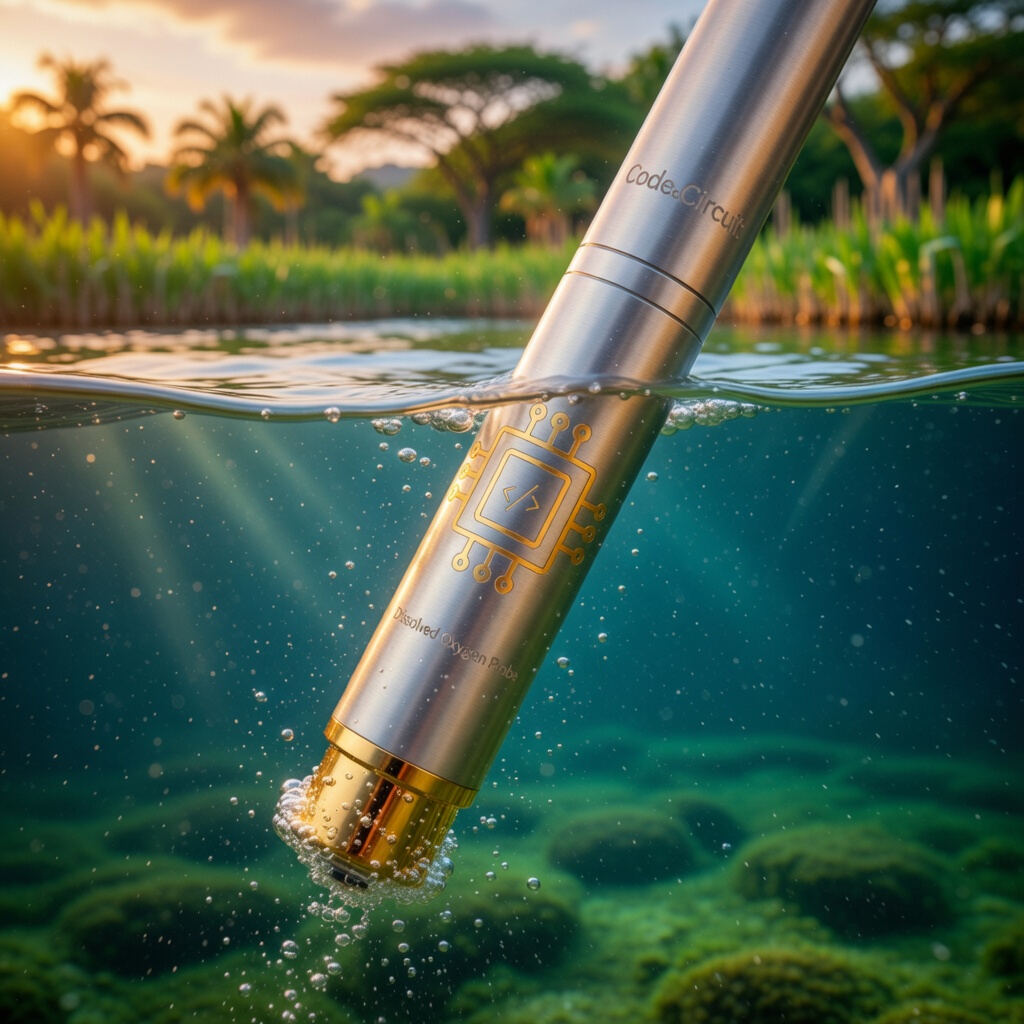
The pattern matters more than any single number. A DO sensor that logs continuously, even at a modest interval like every 15-30 minutes, will show you the overnight dip that a manual morning check will always miss, and it can trigger an alert (an SMS or notification) the moment levels start falling toward a dangerous threshold, while there is still time to aerate, stop feeding, or prepare to harvest early rather than finding out at sunrise.
What to do when levels start dropping
If you get warning that oxygen is falling toward a danger zone (below roughly 3 mg/L for most tilapia, lower tolerance for larger or stressed fish):
- Stop feeding immediately. Digestion increases oxygen demand at exactly the wrong time.
- Aerate if you have the capability. Even simple surface agitation from a paddle, pump, or aerator can buy critical hours.
- Reduce stocking density pressure where possible. Moving a portion of the stock to a less-loaded cage, if one is available, can reduce the risk to the whole batch.
- If levels keep crashing and no aeration is available, prepare to harvest early rather than risk losing the entire batch overnight. A partial harvest at reduced size is a far better outcome than a total loss.
Building oxygen monitoring into how you farm
None of this requires guesswork if the cage is instrumented properly. A simple in-cage sensor node (DO, temperature, and turbidity, logging continuously and sending an alert when readings cross a threshold) turns a 3 a.m. surprise into something you can act on at 9 p.m. the evening before. That's the difference between losing a cage and losing nothing.
If you're farming cages on Winam Gulf or anywhere on Lake Victoria and want to talk through what monitoring would look like for your specific site (stocking density, cage depth, existing equipment), get in touch and we'll schedule a farm visit. You can also see how our water-quality monitoring works.