

Code & Circuit Technologies
Code&CircuitTechnologies
Work with us

Solutions

Engineering that ships

R&D, connected devices and training for farms, schools and businesses across Kenya.

All services
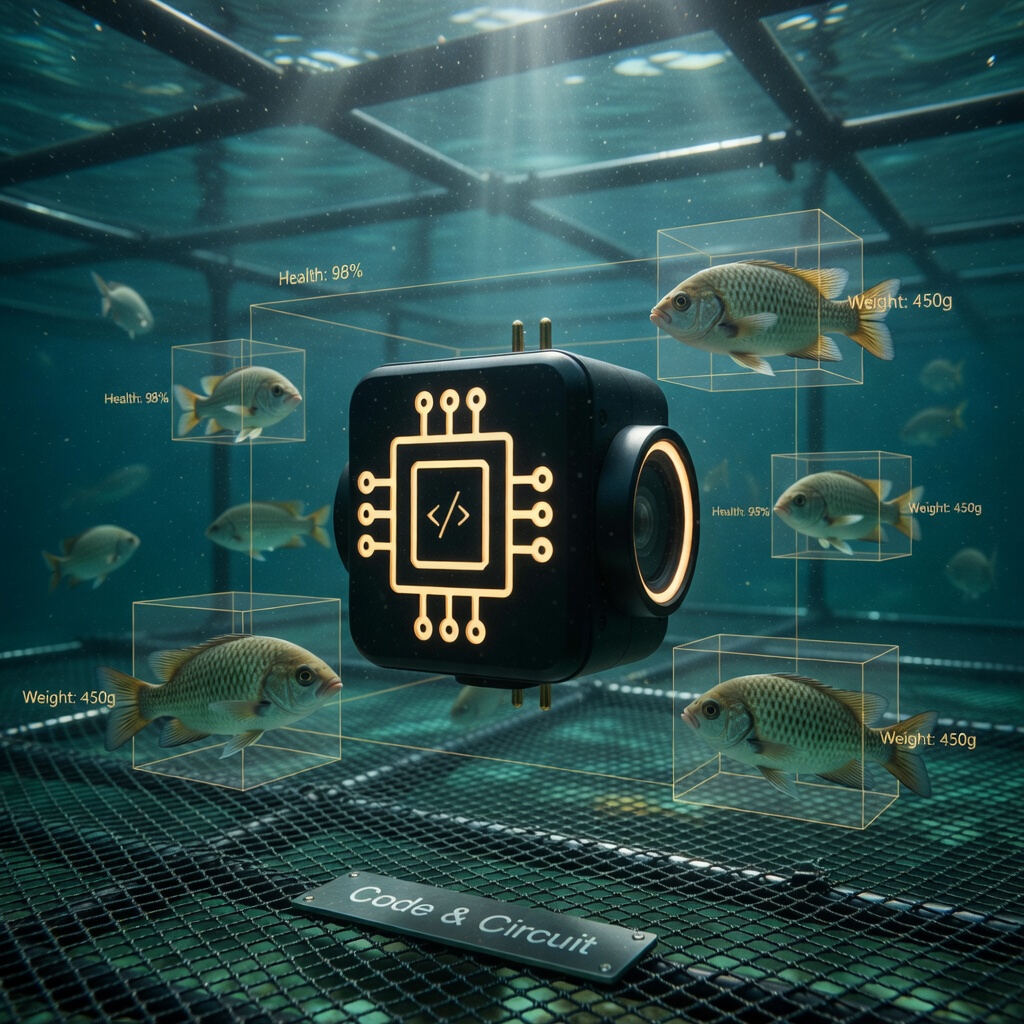
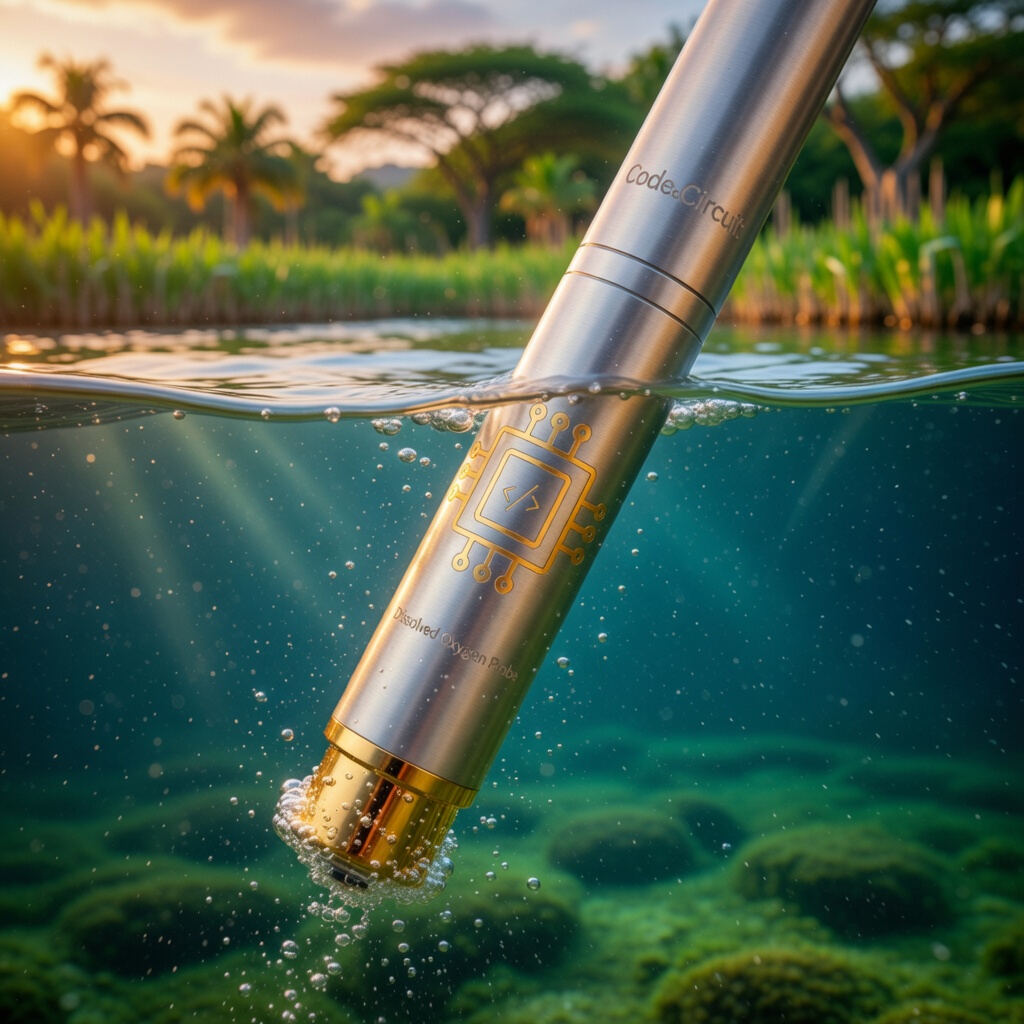
  • Water-Quality MonitoringOxygen, temperature and turbidity alerts for fish farms.
  • Automated Fish FeedingScheduled feeders for Lake Victoria cage farms.
  • STEM WorkshopsHands-on sessions and teacher training for schools.
  • IoT DevelopmentFrom bench prototype to hardware that survives the field.
  • PortfolioSelected work from the field and the lab.

Field story

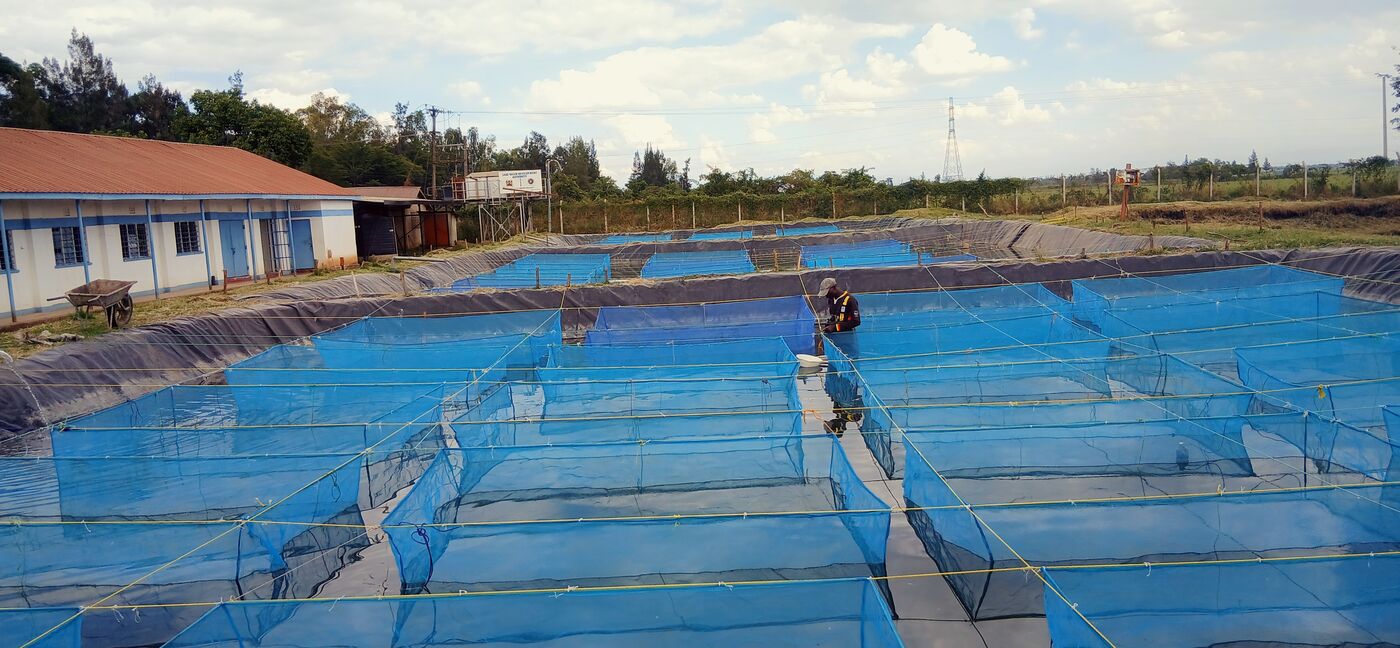
How a Kenyan fish farm uses IoT to automate its ponds

Read more

Learn

Learn by building

Workshops, events and open notes for students, makers and educators.

Browse workshops
  • WorkshopsPractical sessions in robotics, electronics and code.
  • EventsMeetups, hackathons and community sessions.
  • Weekly LearningsAn open archive of what we teach each week.
  • BlogAquaculture, IoT and STEM stories and guides.

Workshops

Bring a hands-on robotics session to your school

Read more

Community

Build with us

A community of engineers, students and makers working on open projects.

Meet the community
  • CommunityWhere to find us on GitHub, Discord and Telegram.
  • ProjectsOpen projects you can explore and contribute to.
  • RegisterSign up yourself or your group for a programme.

Community

Join engineers and makers building in the open

Read more

Company

Code & Circuit

A Kenyan technology company working at the meeting point of hardware and software.

About us
  • About UsOur mission, team and story.
  • CareersOpen roles and internships.
  • ContactTalk to us about a project or partnership.

Careers

Help us build technology that works for Africa

Read more
Menu
    • Water-Quality Monitoring
    • Automated Fish Feeding
    • STEM Workshops
    • IoT Development
    • Portfolio
    • Workshops
    • Events
    • Weekly Learnings
    • Blog
    • Community
    • Projects
    • Register
    • About Us
    • Careers
    • Contact
Work with us

Work with us

Have a project, a farm or a classroom in mind?

Tell us what you are working on and we will get back to you with how we can help.

Start a conversationBook a workshop
Code & Circuit Technologies
Code&CircuitTechnologies

Building tomorrow's technology through robotics and IoT innovation, and teaching the next generation of engineers to do the same.

  • hello@codencircuit.co.ke
  • +254 (792) 181-871
  • Kisumu, Kenya

Solutions

  • Water-Quality Monitoring
  • Automated Fish Feeding
  • STEM Workshops
  • IoT Development
  • Portfolio

Learn

  • Workshops
  • Events
  • Weekly Learnings
  • Blog

Community

  • Community
  • Projects
  • Register

Company

  • About Us
  • Careers
  • Contact

Get workshop dates and field notes

Occasional emails about new workshops, events and what we are building.

© 2026 Code And Circuit Technologies LTD. All rights reserved.

  • Privacy Policy
  • Terms of Service
  • Cookie Policy
Back to Articles
Aquaculture

Dissolved Oxygen, Temperature and Turbidity: What to Measure on a Kenyan Cage Farm

A lot of farmers on Lake Victoria already own a handheld DO meter and still lost fish. Here's why one sensor, checked once a day, isn't enough, and what a proper monitoring setup actually looks like.

WA
Wycliffe AlphusEmbedded Systems Engineer
September 16, 20268 min read
AquacultureLake VictoriaDissolved OxygenWater QualityCage FarmingKisumu
Dissolved Oxygen, Temperature and Turbidity: What to Measure on a Kenyan Cage Farm

If you farm cages on Lake Victoria and already own a handheld dissolved oxygen (DO) meter, you're ahead of most farms in Winam Gulf. And you may still have lost fish anyway. That's not because the meter is broken. It's because a single reading, taken once a day at one depth, tells you almost nothing about what's happening in your cage overnight, when most kills actually occur.

We wrote about why cage fish die overnight in Winam Gulf and the upwelling events behind it. This post is about the measurement side: what you actually need to track, at what frequency, and why DO by itself is the wrong place to stop.

Why a handheld DO meter still misses the event

A dip-and-read DO meter gives you one number at one moment. Farmers typically check mid-morning, when the water has already had hours of sunlight and photosynthesis has pushed oxygen levels up. That reading can look completely healthy, 5-6 mg/L, "normal", while the same cage crashes to under 2 mg/L at 3 a.m. when photosynthesis stops and respiration keeps consuming oxygen.

The meter isn't lying. It's just answering a question you didn't need answered: "what is the DO right now, during the safest part of the day?" The question that actually predicts a kill is "what is the DO doing between midnight and dawn, and is it falling?" A handheld unit checked once can't answer that, no matter how accurate the probe is.

Depth matters more than farmers expect

A second common gap: farmers who do check more than once a day often check at the same shallow depth every time, usually because that's where the probe cable reaches easily from the cage walkway. But dissolved oxygen in a stratified lake is not uniform with depth. During an upwelling event, low-oxygen water from below gets pushed up into the cage zone from the bottom first. A surface reading can stay deceptively normal for a while even as the lower part of the cage, where a large share of your stock sits, is already in trouble.

If you're only measuring at one depth, measure near the bottom of the cage, not the surface. Better still, measure at both and compare them. A widening gap between surface and bottom DO is often the earliest warning sign you get, well before either number alone looks dangerous.

Why temperature has to be tracked alongside DO

Temperature isn't a "nice to have" alongside oxygen. It's often the leading indicator. A sharp overnight temperature drop, especially after a hot, still afternoon, is usually what triggers the water column to mix and pull low-oxygen bottom water upward. By the time DO itself has visibly dropped, the event is already underway.

Tracking temperature continuously gives you lead time that a DO reading alone doesn't. A fast temperature swing at your cage site, even a couple of degrees within an hour or two, is worth treating as an early alert on its own, before oxygen levels confirm it.

Why turbidity belongs in the same picture

Turbidity gets ignored by farmers who assume it's just "how clear the water looks," but it's a useful proxy for algal activity and organic load, both of which drive the oxygen debt sitting in the bottom layer of the lake. A turbidity spike, especially one that follows a greenish tint or a musty smell near the cage, often signals an algal bloom that will later collapse and consume large amounts of oxygen as it decomposes.

On its own, turbidity doesn't tell you much. Combined with DO and temperature trends, it helps you tell the difference between an isolated weather-driven dip and a longer-running water quality problem building up around your site that will keep causing trouble until it's addressed.

What "enough" monitoring actually looks like

For a cage site on Winam Gulf or anywhere on Lake Victoria, the minimum that gives you a real picture is:

  • Dissolved oxygen at two depths (near-surface and near-bottom of the cage), not one
  • Water temperature, logged continuously, not spot-checked
  • Turbidity, logged continuously alongside the other two

The interval matters as much as the parameters. A reading every 15-30 minutes is enough to catch an overnight dip that a once-a-day manual check will always miss, and frequent enough to trigger an alert while there's still time to act, rather than finding out at sunrise.

Sensors drift and foul. Plan for it.

A detail that trips up a lot of first-time buyers of continuous monitoring gear: probes left in lake water accumulate biofilm and algae on the sensing surface within days, and that fouling skews readings, usually toward falsely low DO or falsely high turbidity. A probe that isn't cleaned or calibrated regularly will eventually tell you a false story, either a false alarm that trains you to ignore alerts, or worse, a falsely reassuring reading during a real event.

Whatever setup you use, build in a cleaning and calibration routine, weekly at minimum in warm, nutrient-rich water like Winam Gulf, and treat a sudden, unexplained shift in baseline readings as a sign the probe needs attention before you treat it as a water quality event.

One sensor answers a question. A monitored cage answers the right one.

None of this is about replacing your handheld meter. It's still useful for spot checks and verification. But if the goal is catching a crash before it kills fish, the question isn't "what's the DO right now," it's "how is DO, temperature and turbidity trending overnight, at more than one depth, and will someone know before sunrise if it turns bad." That's a monitoring setup, not a single reading.

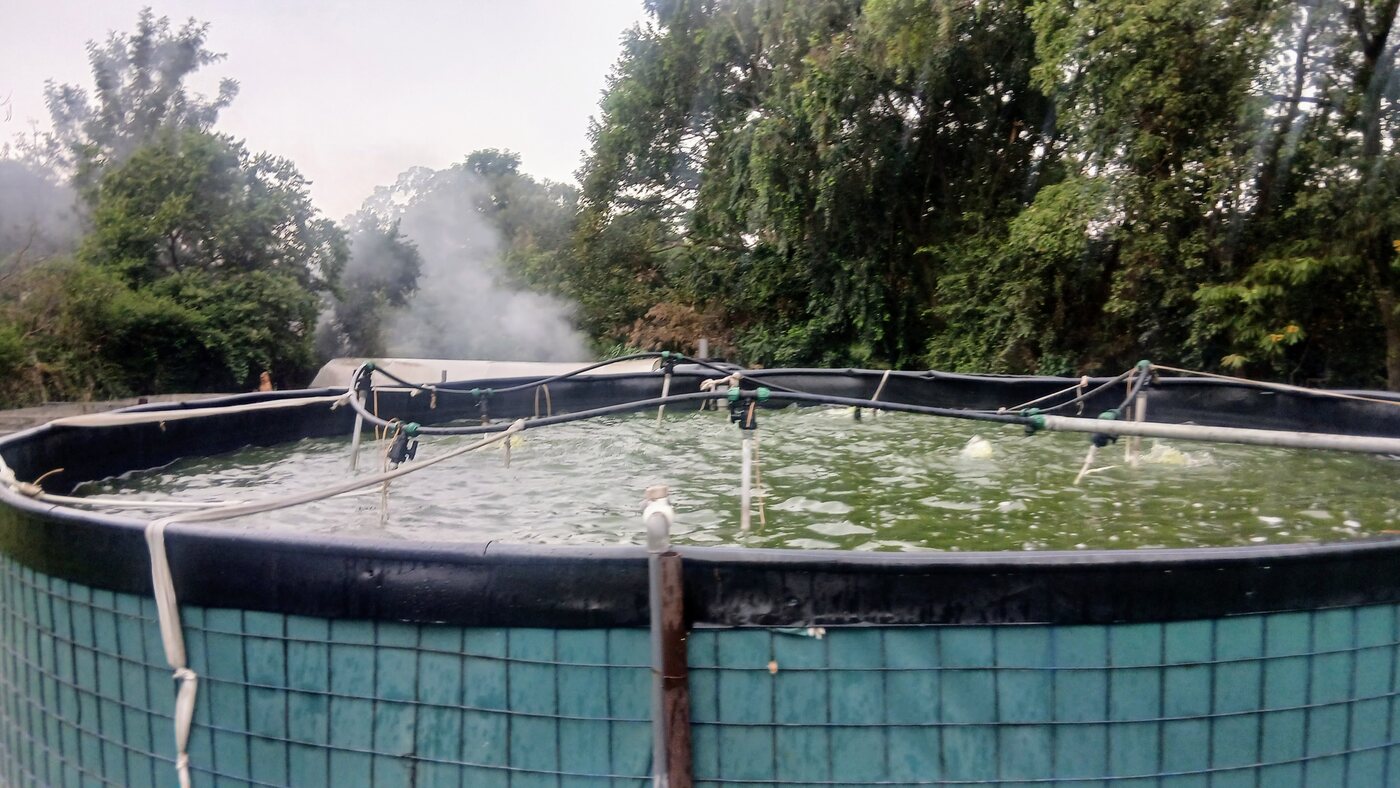
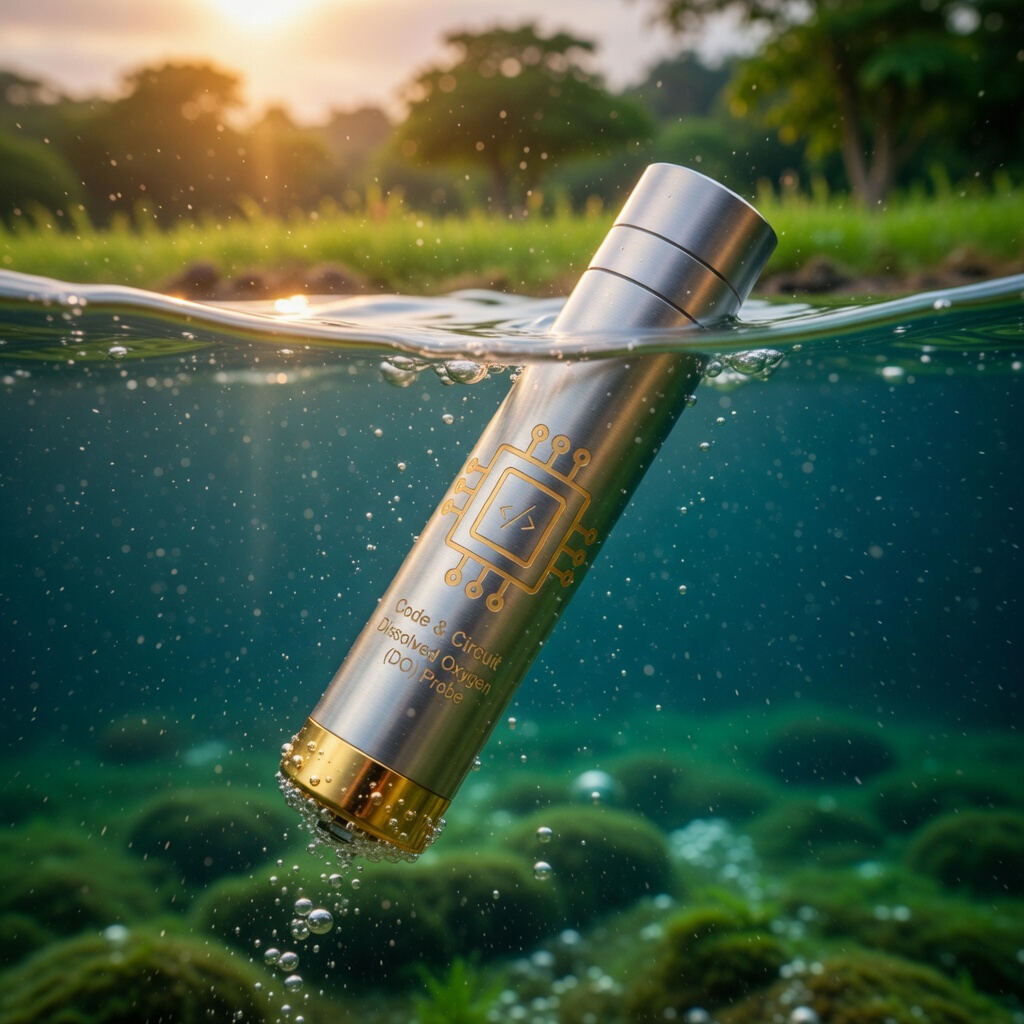
If you're running cages on Lake Victoria and want to talk through what a proper monitoring node would look like for your site, stocking density, cage depth, and what you're already using, get in touch or take a look at our water monitoring work and we'll schedule a farm visit.
Talk to us about your farm

Continuous dissolved oxygen, temperature and turbidity monitoring for cage and pond fish farms in Kenya, with alerts before an overnight oxygen crash.

About water-quality monitoring Arrange a farm visit

In This Article

  • Why a handheld DO meter still misses the event
  • Depth matters more than farmers expect
  • Why temperature has to be tracked alongside DO
  • Why turbidity belongs in the same picture
  • What "enough" monitoring actually looks like
  • Sensors drift and foul. Plan for it.
  • One sensor answers a question. A monitored cage answers the right one.

About the Author

WA

Wycliffe Alphus

Embedded Systems Engineer

Embedded & FPGA Engineer and DevSecOps practitioner who builds secure, automated systems connecting hardware, software, and cloud infrastructure.

Share This Article

XLinkedIn

Related Articles

Exploring Sensors and Automation for Biofloc Aquaculture at Maseno University
Aquaculture

Exploring Sensors and Automation for Biofloc Aquaculture at Maseno University

On 9 September 2026 we visited the Department of Animal and Fisheries Sciences at Maseno University to discuss how sensors, automation, and remote monitoring could improve biofloc aquaculture.

Code & Circuit Team3 min read
Why Cage Fish Die Overnight in Winam Gulf, and What Farmers Can Do Before the Next Event
Aquaculture

Why Cage Fish Die Overnight in Winam Gulf, and What Farmers Can Do Before the Next Event

Overnight fish kills on Lake Victoria cage farms are usually an oxygen problem, not a disease outbreak. Here's what causes upwelling events in Winam Gulf and how to catch one before it costs you a harvest.

Khalid Hussein9 min read
Manual vs. Scheduled Feeding on Lake Victoria Cages: What Actually Changes
Aquaculture

Manual vs. Scheduled Feeding on Lake Victoria Cages: What Actually Changes

Switching a cage farm from hand feeding to a scheduled feeder changes more than labour. Here's what it does to feed conversion, water quality, and the oxygen risk we covered in our last post.

Khalid Hussein8 min read

Stay Updated with Latest Articles

Get the latest insights on robotics, IoT, and technology delivered to your inbox.

No spam, unsubscribe at any time.