



Two questions come up often enough, from prospective team members and from prospective partners, that they're worth answering plainly in one place rather than scattered across pages.
Are you hiring
Yes, when a role fits an actual current need, and we keep our openings honest rather than posting evergreen listings that never close. Whatever is open right now is on our careers page, with a posting date and, where there is one, a closing date, so you can tell what's current at a glance.
If none of those match what you do but you think there's a fit worth discussing anyway, reach out through our contact page rather than waiting for a specific listing to appear. We've had good working relationships start that way before.
How a school typically starts working with us
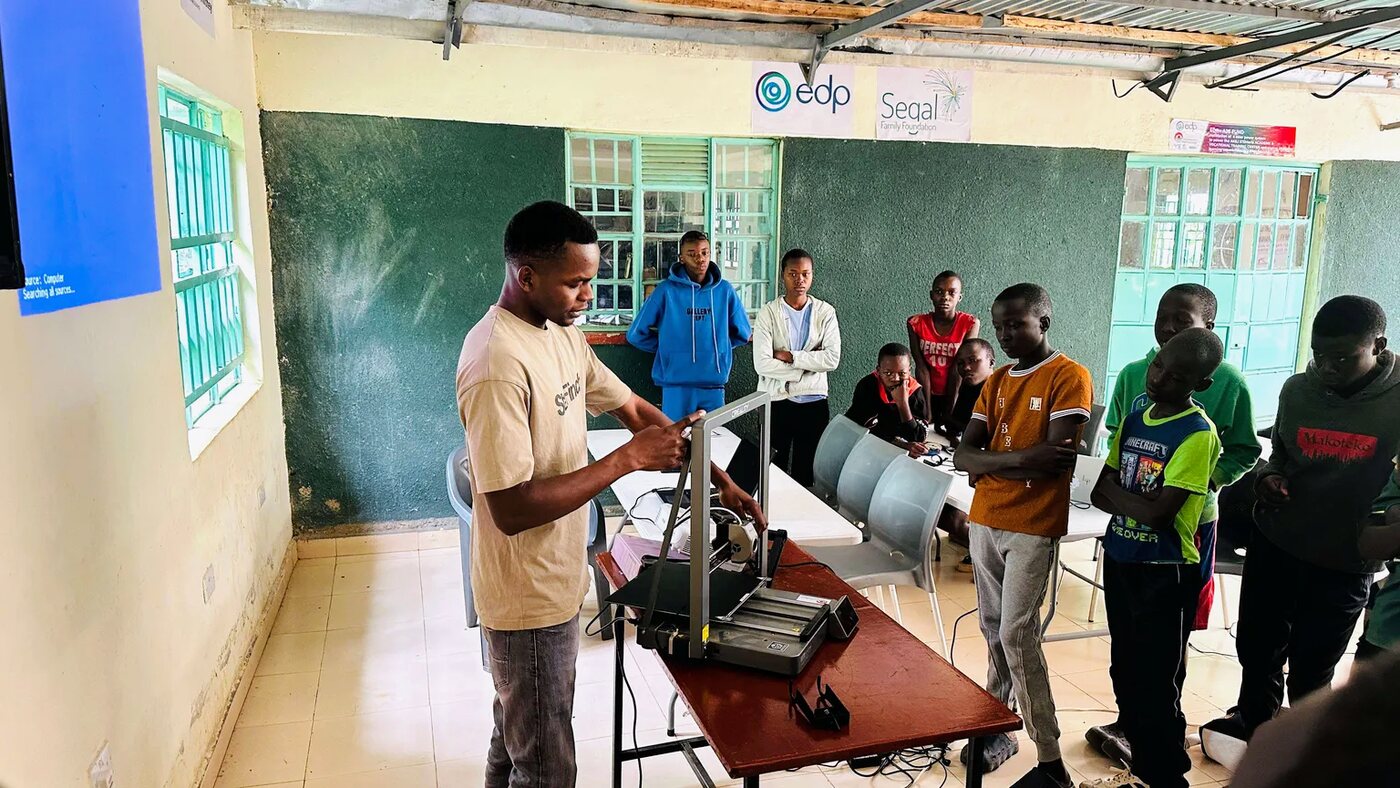
Most school engagements start one of two ways: a specific workshop, a bounded, scheduled session on a topic like Arduino, robotics fundamentals, or introductory programming, or a conversation about a term-long or holiday-timetable programme built around a school's own CBC goals, like the Scratch course for teachers we wrote up recently.
The practical starting point is the same either way: get in touch through our contact page with roughly what you're trying to achieve (a one-off session, a teacher training cohort, an ongoing club) and your rough timing and budget constraints, and we'll scope something that fits rather than pushing a fixed package that doesn't match what you actually need.
How a farm typically starts working with us
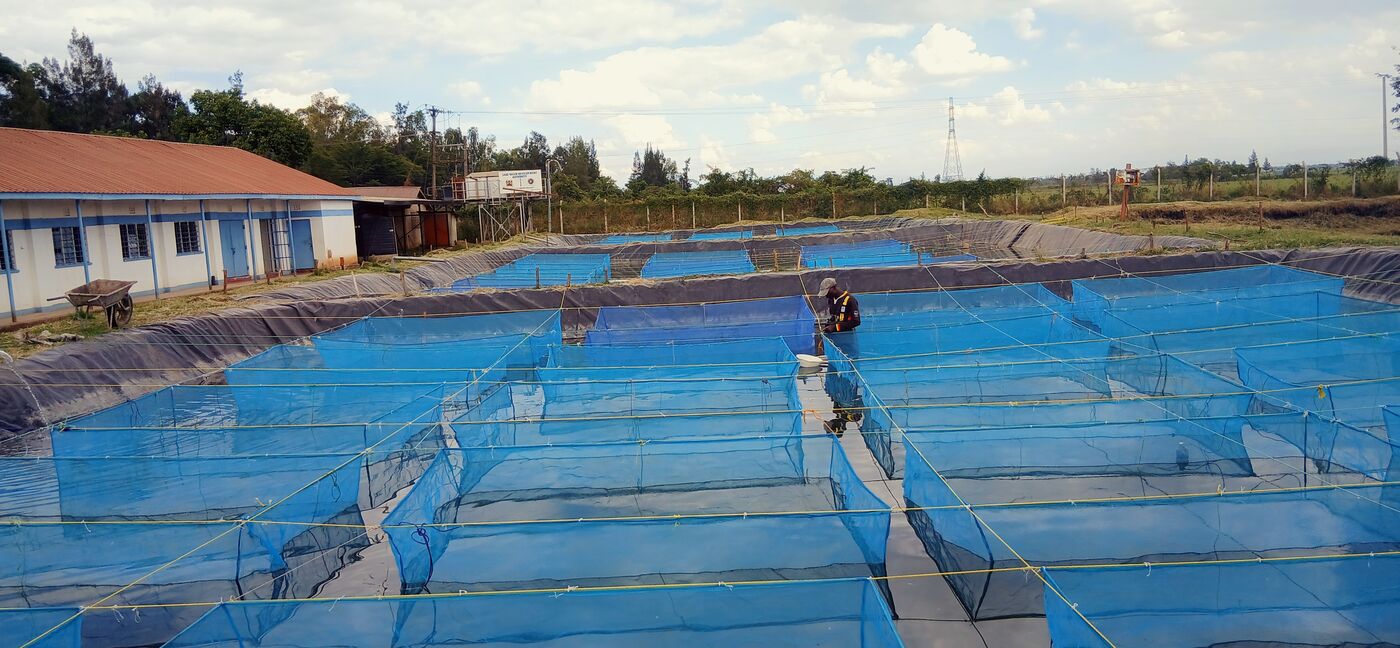
Farm engagements usually start from a specific, current problem rather than an abstract interest in "IoT for aquaculture": unexplained fish losses, a feeding operation that's outgrown manual feeding, or a desire to add monitoring before scaling up cage or pond capacity. We're direct about this because it produces better outcomes: a farm visit scoped around your actual site (stocking density, cage or pond layout, existing equipment) gets to a useful recommendation faster than a generic sales conversation would.
The starting point is the same contact page, with a short description of your site and the problem you're trying to solve. From there it typically moves to a site visit or a detailed remote conversation, scoped along the lines we described in our post on how we approach a field deployment, before any equipment or commitment is on the table.
What we're not
We're not a large consultancy with a standard package for everyone, and we're not going to pretend a school's needs and a commercial farm's needs are the same conversation. What both share is the same starting door and the same underlying approach: understand the actual problem or goal first, scope something that fits it, and be honest early if something isn't a good fit for us to take on.
Whether you're looking at an open role, a school partnership, or a farm monitoring conversation, the way in is the same: get in touch, and tell us plainly what you're trying to do.